Merciful
Way
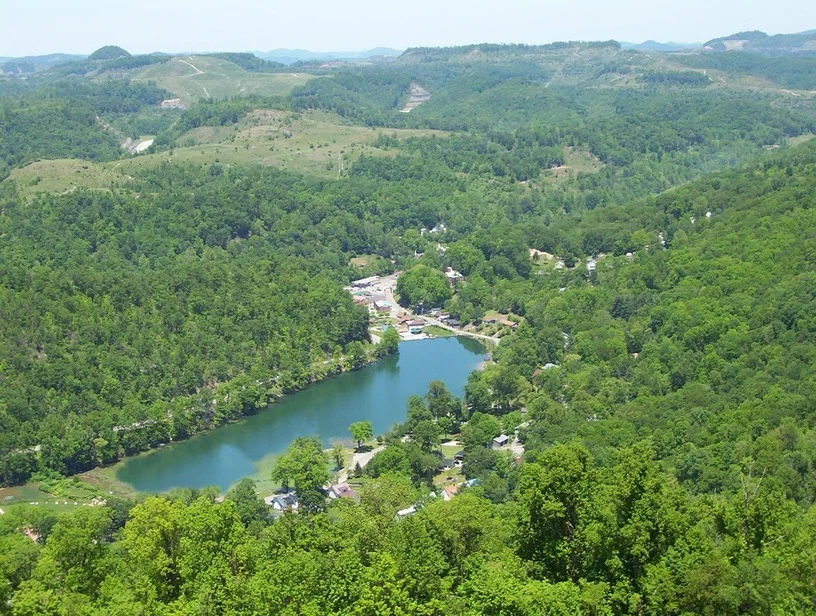
Jenkins, Kentucky — Central Appalachia
"A pilgrimage is a journey of moral or spiritual significance — a search that calls the pilgrim forward into the light."
A sacred trail winding through faith, history, and the mountains of eastern Kentucky
Faith Tourism
Travel individually or in groups for pilgrimage, missionary, or fellowship purposes along a route of deep spiritual significance.
Cultural Heritage
Experience the places, artifacts, and stories that authentically represent the people of Central Appalachia — past and present.
Mother Teresa's Legacy
Walk in the footsteps of Saint Teresa of Calcutta, who visited Jenkins in 1982 to establish the first rural Missionaries of Charity in America.
Coal Camp History
Discover the resilient communities that built this region around the coal industry — a heritage of hard work, faith, and solidarity.
The Stops Along the Way
Each site holds a chapter of this living story.
Mother Teresa
Her visit to Jenkins in 1982 changed this community forever.
Central Appalachia
A history of Catholicism woven into rugged mountain culture.
Coal Camps
Communities forged in industry, faith, and solidarity.
The Darkness
Walk through the historic railroad tunnel — from shadow into light.
The Shrine
A bench. A statue. A moment of stillness at St. George Catholic Church.
Explore the Sacred Sites
Catholic heritage sites surrounding St. George Catholic Church, Jenkins, Kentucky
This map identifies the Catholic Heritage Sites surrounding St. George Catholic Church.

Mother Teresa
The Saint Who Conquered Darkness
"We think sometimes poverty is only being hungry, naked, and homeless. The poverty of being unwanted, unloved, and uncared for is the greatest poverty."
— Mother Teresa
Background
Mother Teresa (Aug. 26, 1910–Sept. 5, 1997) was a Catholic nun whose love and service to the poorest of the poor has inspired countless people. Most of her life was spent in Calcutta, India, where she established the Missionaries of Charity — a congregation that grew and spread throughout the world.
Her mission was to care for "the hungry, the naked, the homeless, the crippled, the blind, the lepers — all those people who feel unwanted, unloved, uncared for throughout society, people that have become a burden to the society and are shunned by everyone."
By 1996, the Missionaries of Charity operated 517 missions in over 100 countries. The number of sisters grew from twelve to thousands, serving the "poorest of the poor" in 450 centers worldwide.
Mother Teresa was canonized as Saint Teresa of Calcutta by Pope Francis on September 4, 2016. Her feast day is September 5, the anniversary of her passing.
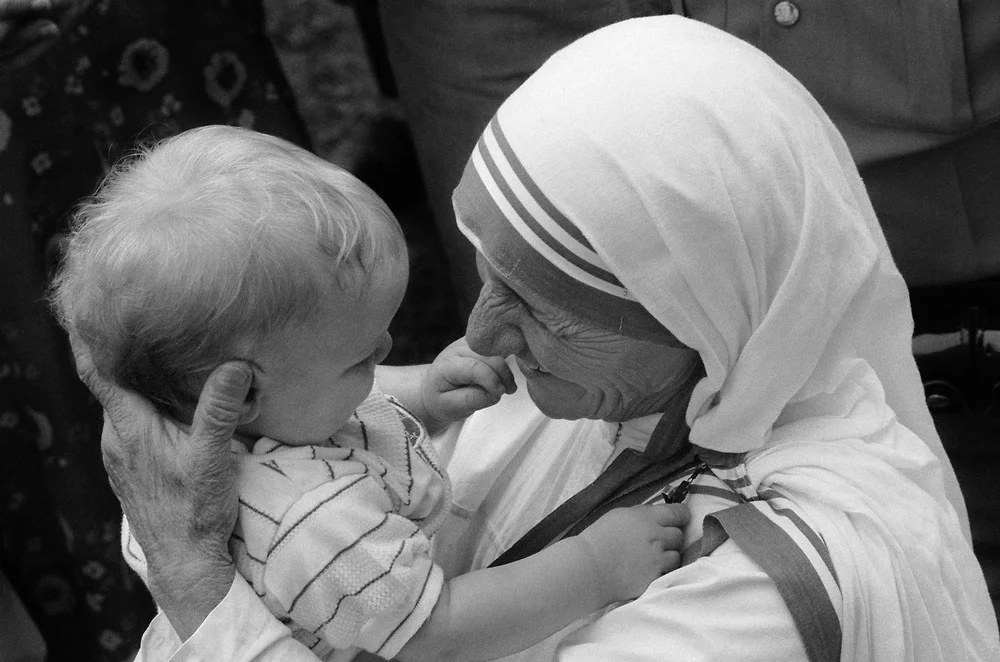
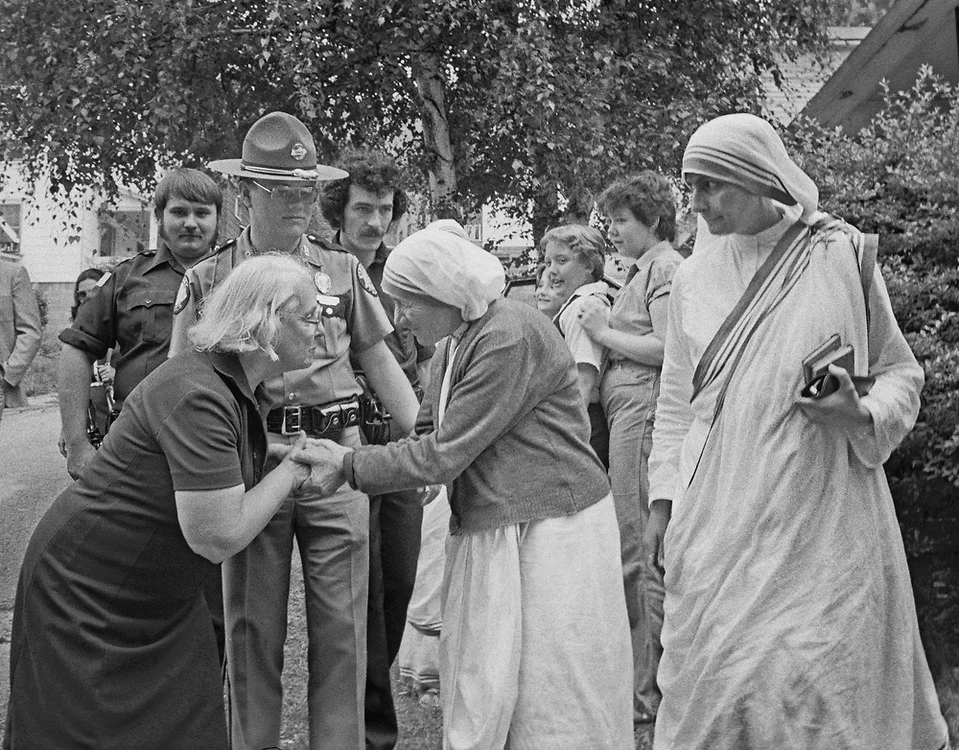
Visit to Jenkins, Kentucky
In 1982, Mother Teresa visited Jenkins, Kentucky to commemorate the establishment of the first rural order of the Missionaries of Charity in America. She attended mass at St. George Catholic Church.
She established a home for battered women and a convent on Cove Road. Although the shelter is no longer in service, the convent stands to this day, operated by four Missionaries of Charity sisters who carry on her legacy.
Central Appalachia
A Historical Overview of Catholicism in the Mountains
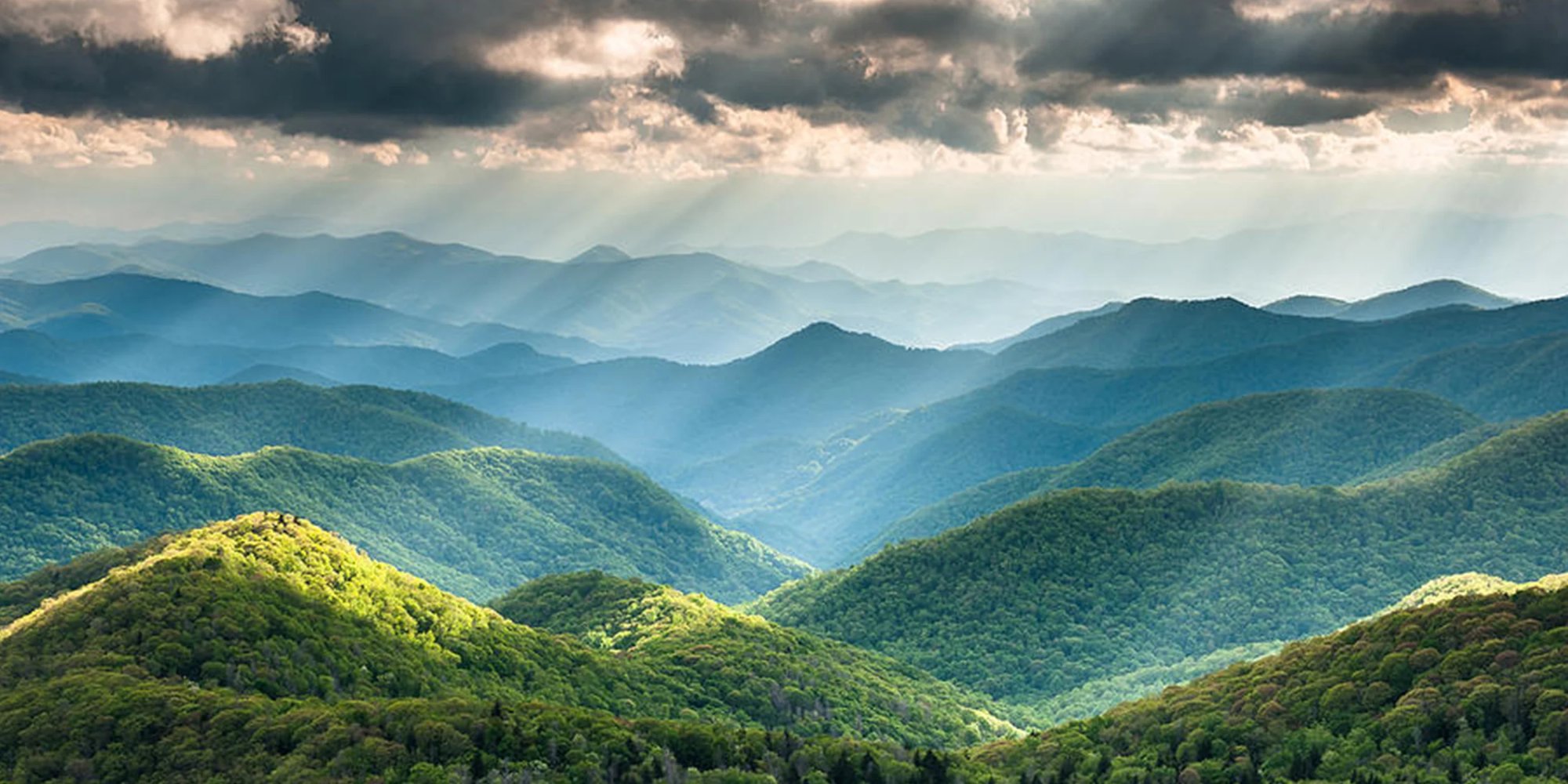
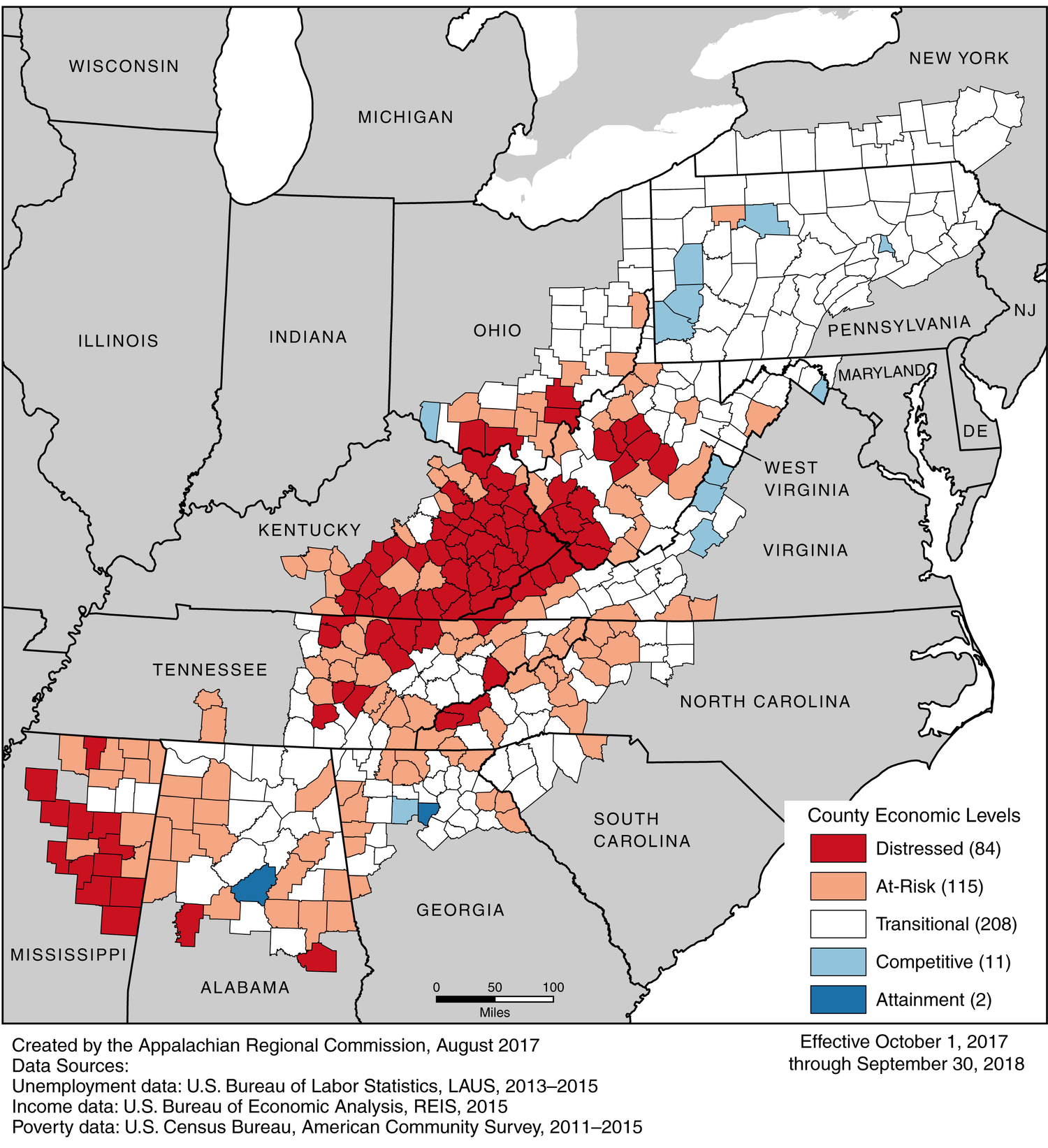
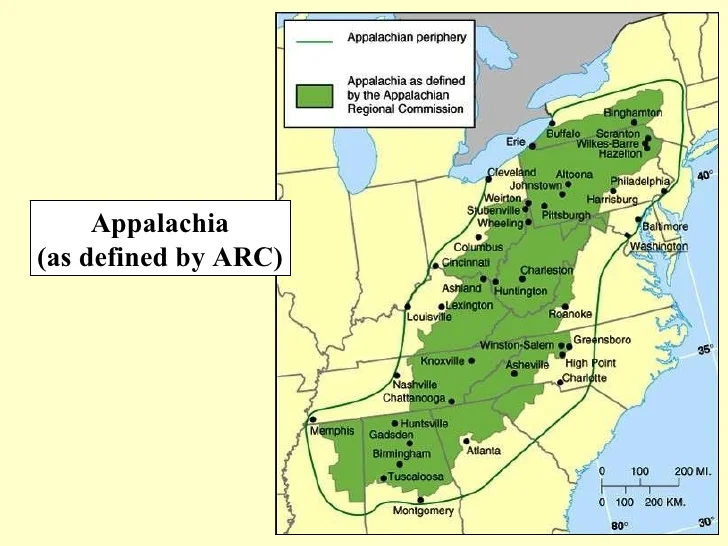
Central Appalachia, a region known for its rugged landscapes and rich cultural heritage, has a unique and compelling history of Catholicism that is intertwined with the broader narrative of settlement, industry, and community in this distinct part of the United States.
Early Settlement & Catholic Presence
The history of Central Appalachia is marked by early exploration and settlement by European immigrants — primarily Scots-Irish, English, and Germans — who were predominantly Protestant. Catholicism's roots in the region trace back to the late 18th and early 19th centuries, when Irish and German Catholic immigrants began settling here, drawn by the promise of work in the burgeoning industries of coal mining, logging, and railroads.
These Catholic communities established the first churches in the region, serving not only as places of worship but as centers for community gathering and support.
Growth Amidst Isolation
Despite the dominant Protestant population, Catholic communities flourished in pockets of Central Appalachia, particularly in areas with significant industrial development. The isolation of the mountains created real challenges: limited access to clergy, scarce resources for building churches, and great distances between settlements. Itinerant priests traveled vast distances to serve scattered congregations, celebrating mass in homes or in makeshift chapels.
The Role of Catholic Institutions
In the late 19th and early 20th centuries, as the coal and timber industries boomed, the Catholic Church played a crucial role in providing social services, education, and healthcare. Catholic nuns and priests established schools, hospitals, and orphanages in the most remote and underserved areas — serving the broader community regardless of religious affiliation.
Cultural Integration & Challenges
Catholicism in Central Appalachia faced challenges including religious discrimination, cultural differences, and economic hardship. Yet the church's enduring presence and its contributions to community development helped bridge divides and foster unity. The church's commitment to social justice — particularly in advocating for the rights and welfare of miners and their families — cemented its role as a vital part of Appalachian life.
Legacy & Contemporary Perspective
Today, the legacy of Catholicism in Central Appalachia continues to be felt through the ongoing work of Catholic parishes, schools, and social service organizations. The region's Catholic heritage is a testament to the enduring spirit of faith, resilience, and community solidarity in the face of adversity and isolation.
"Despite being a minority faith in a predominantly Protestant region, Catholicism has had a profound impact on the social, educational, and spiritual life of Central Appalachia."
Coal Camps
A Testament to Resilience and Community
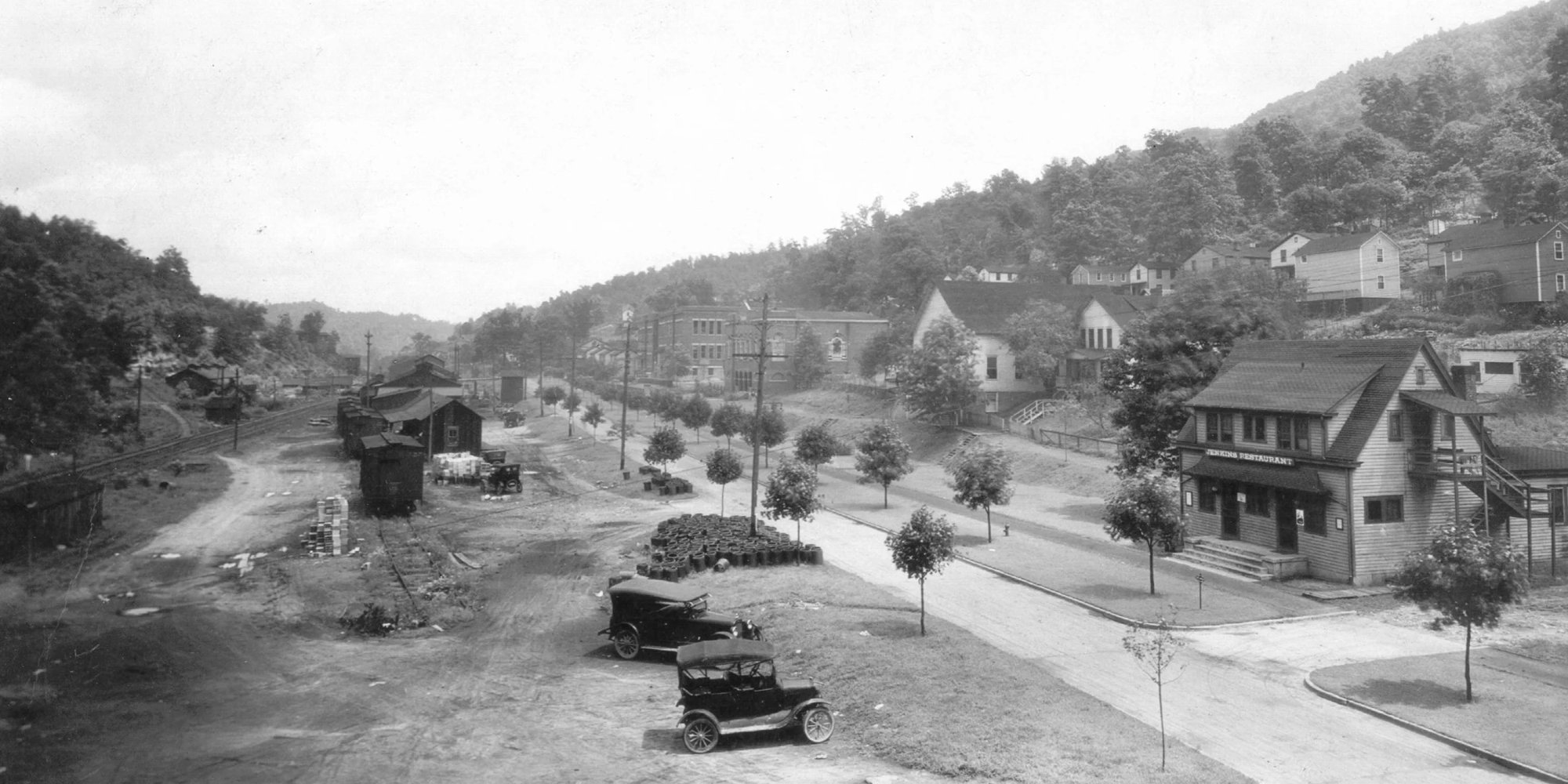
The coal camps of Central Appalachia are an integral part of the region's history, embodying the spirit of resilience, community, and hard work that has defined this rugged landscape for generations. These camps were not merely places of employment — they were the lifeblood of tight-knit communities.
Foundations of Industry & Community
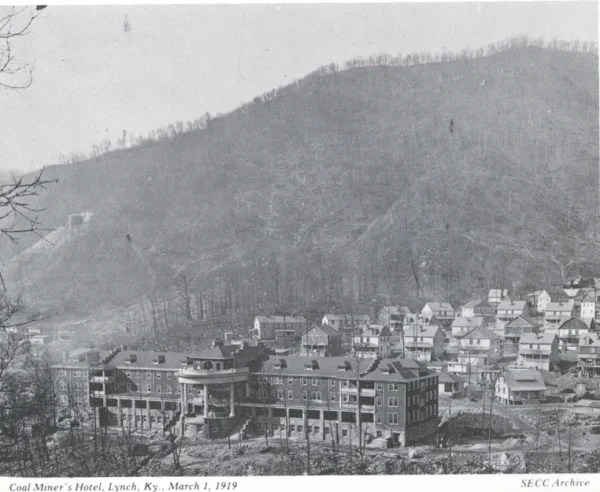
In the late 19th and early 20th centuries, the discovery of abundant coal deposits in Central Appalachia led to the rapid development of these camps. Established by coal companies to house workers and their families, they were often self-contained: company-owned houses, stores, schools, and churches, creating a unique social fabric woven tightly around the coal industry.
Contributions to Regional Development
The coal camps played a crucial role in the economic development of Central Appalachia, driving the growth of railroads, steel production, and other industries. This period of industrial expansion brought prosperity and connectivity, linking Appalachia with broader national markets for the first time.
Cultural Heritage & Legacy
The cultural heritage of the coal camps is a rich tapestry of traditions, music, storytelling, and craftsmanship. These communities contributed significantly to the Appalachian cultural identity — folk music, dance, and arts reflecting the experiences, struggles, and resilience of coal camp life. This cultural legacy continues to shape the region today.
Resilience in the Face of Change
As the coal industry has faced declines due to economic shifts and environmental concerns, the former coal camps have shown remarkable resilience. Many communities have adapted through new paths for economic development and sustainability, while carefully preserving the history and heritage of their origins. Initiatives in education, tourism, and alternative energy are part of the ongoing story.
"The coal camps of Central Appalachia have left an indelible mark — a testament to the enduring spirit of a people who navigated extraordinary challenges with solidarity and determination."
The Darkness
Embark on a transformative journey through the historic train tunnel of Jenkins, Kentucky — a passage that once echoed with the rhythm of locomotives and now stands as a silent witness to time.
This tunnel, perfectly aligned with a quaint Catholic church and the adjoining nunnery where Mother Teresa once ministered, invites travelers to experience a profound metaphor for spiritual awakening and enlightenment.
As you step into the enveloping darkness of the tunnel, you are symbolically retracing Mother Teresa's own spiritual journey through her period of darkness — a time of profound questioning and seeking that ultimately led to her unwavering faith and dedication to serving the "least among us."
With each step forward, the light at the tunnel's end grows brighter, guiding you toward the luminous presence of the church emerging on the horizon. This transition from darkness into light mirrors the spiritual journey from doubt to faith, from despair to hope.
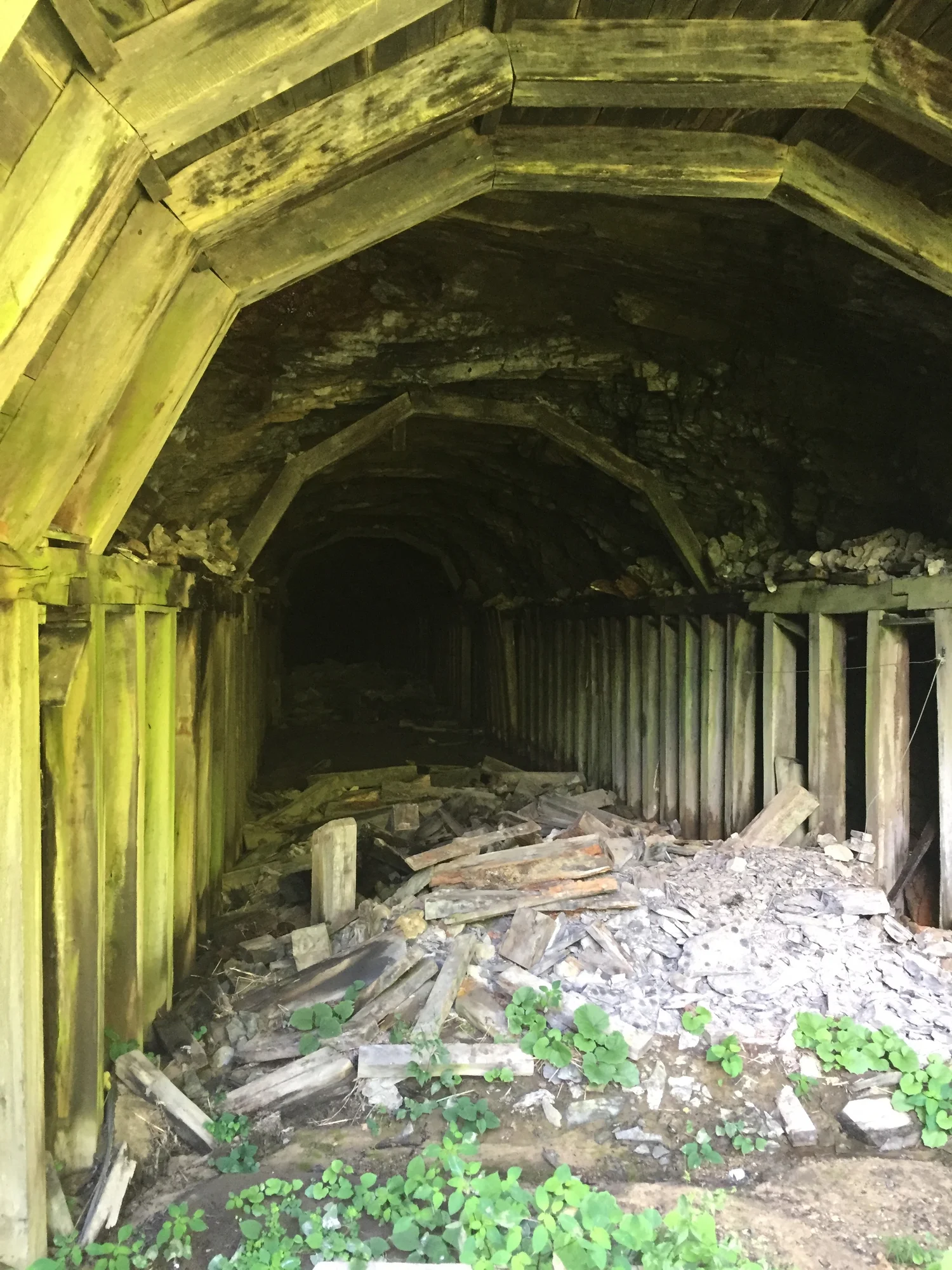
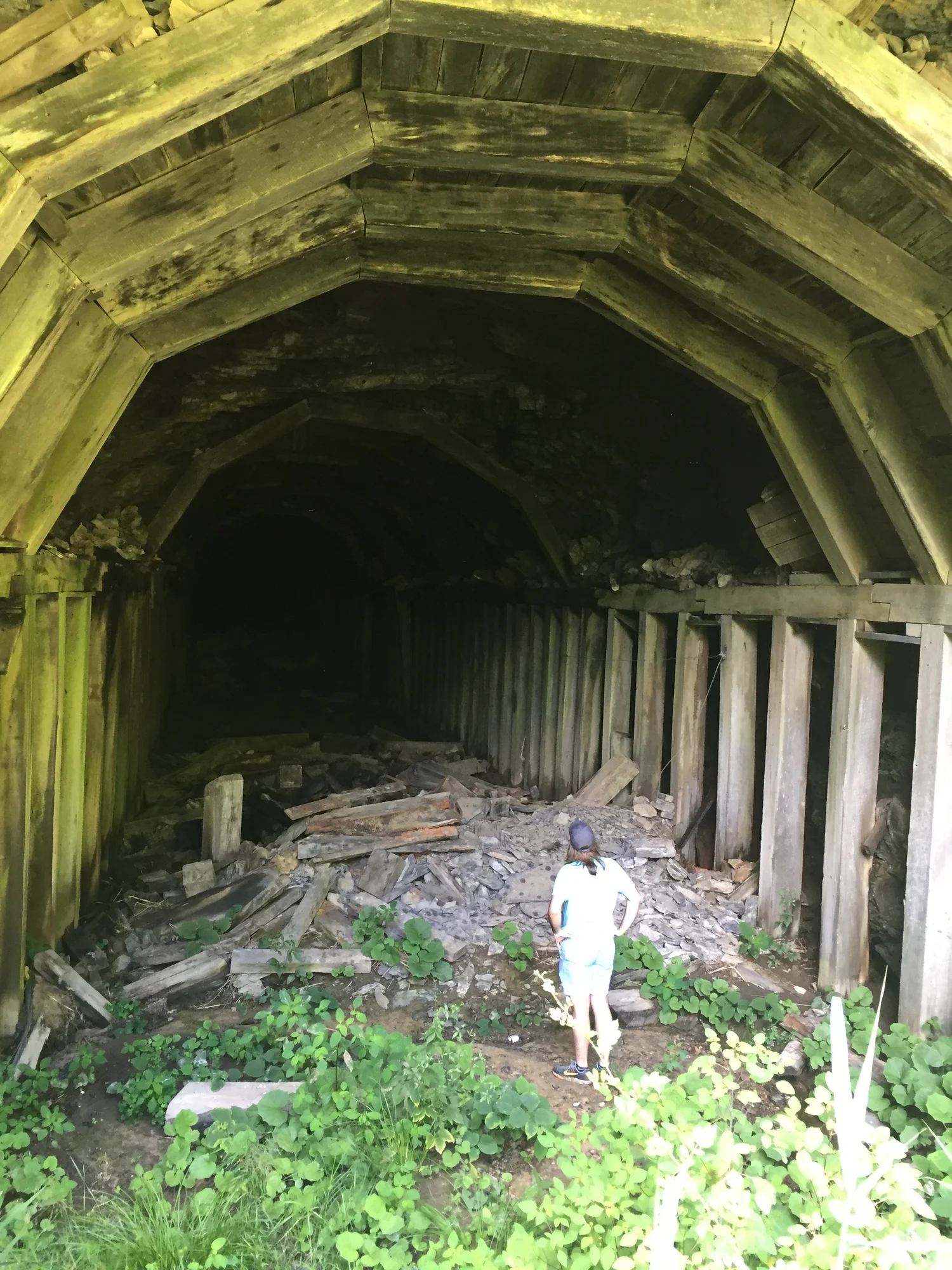
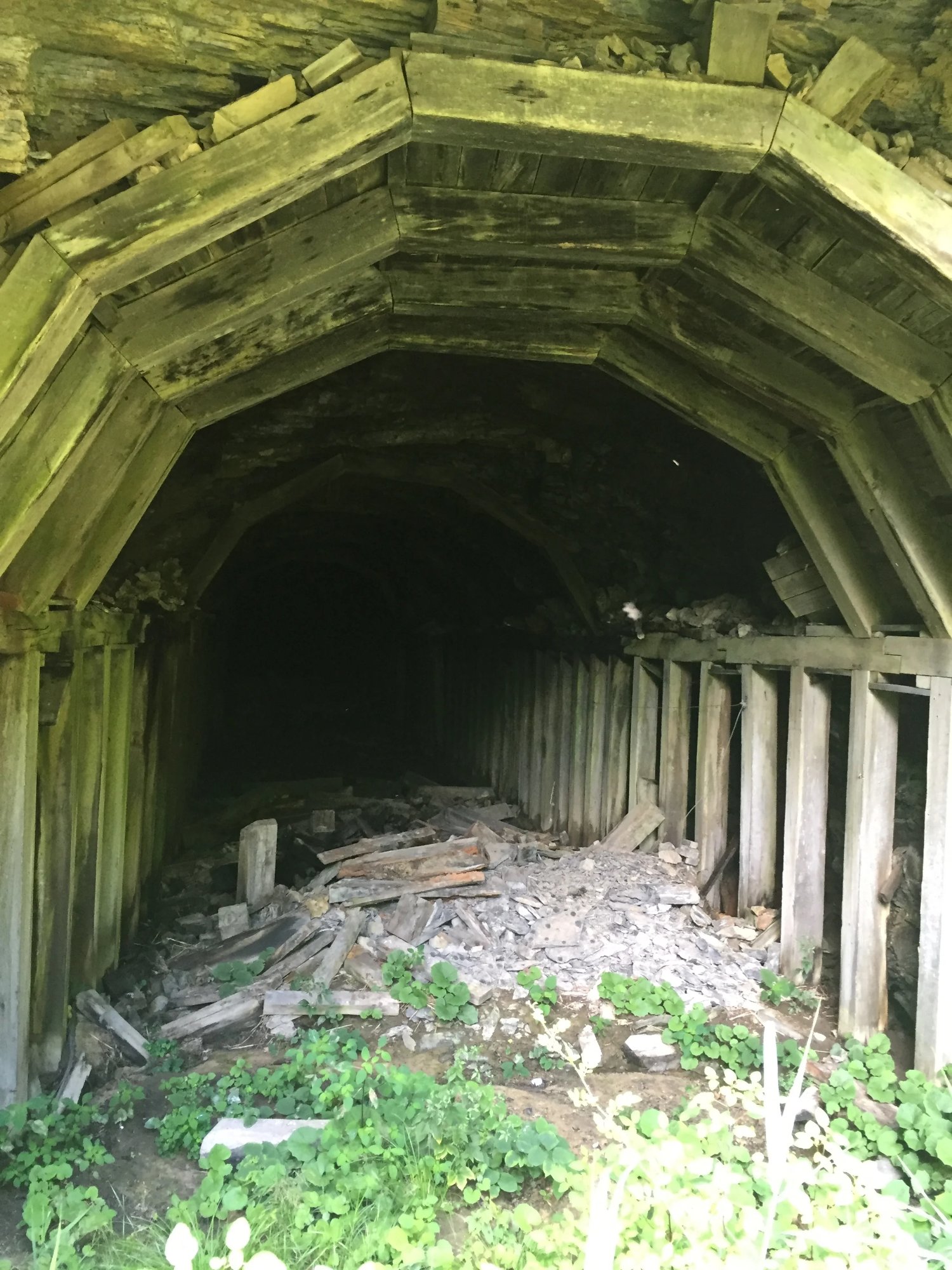
"Emerging into the light, pilgrims are greeted by the sight of the church — a beacon of faith and service that stands as a testament to the transformative power of love and compassion."
This revitalized tunnel will not just be a pathway, but a journey of the soul — inviting all who walk its length to contemplate the depths of their own faith, inspired by the enduring legacy of Mother Teresa. It is here, in the sacred alignment between the tunnel's darkness and the church's light, that pilgrims can experience a moment of spiritual awakening.
The Shrine
An Homage to Mother Teresa's Love for the Least Among Us

A Simple Bench. A Living Saint. A Moment of Stillness.
To best respect Mother Teresa's regard for simplicity, the Shrine will be a simple bench situated on the property of St. George Catholic Church, with a statue of the saint holding a child.
The Vision
The Shrine will be the epicenter of the Merciful Way pilgrimage. Saint Teresa's dedication to serving the weak and most vulnerable is a testament to her love and devotion to Christ — and we hope it will inspire all who visit.
There will be room on the bench for someone to sit next to Saint Teresa — to pray, and to be still. Our intention is that this shrine will allow visitors to immerse themselves in this sacred and holy site, to grow deeper in their faith, and closer to Jesus.
"Come to Me, all you who are weary and burdened, and I will give you rest."
— Matthew 11:28
Open to All
The Shrine welcomes pilgrims of every faith and background who seek a moment of reflection.
A Place of Prayer
Sit beside Saint Teresa, pray, and be still in this sacred corner of eastern Kentucky.
St. George Catholic Church
Located on the grounds of the very church Mother Teresa attended during her 1982 visit to Jenkins.